Introduction to Jewish Voices in American Politics
Jewish voices in politics have long been an integral part of the American political tapestry, shaping discourses, policies, and the very fabric of democracy. From the nation’s earliest days, Jewish Americans have actively participated in civic life, advocating for justice, equality, and pluralism—principles deeply rooted in Jewish tradition. The influence of Jewish values such as tikkun olam (repairing the world) and the pursuit of justice (tzedek) is evident in the progressive movements that have defined American history, from civil rights to labor reforms.
In contemporary politics, Jewish leaders and communities continue to make significant contributions, serving as elected officials, advisors, activists, and thought leaders. Their perspectives enrich debates surrounding social justice, religious freedom, and the protection of minorities. This enduring engagement reflects a dual commitment: to uphold the core tenets of Judaism while contributing meaningfully to the broader American democratic experiment.
Moreover, the presence of Jewish voices within the Democratic Party speaks to a shared vision of inclusivity and moral responsibility. As the nation evolves, these leaders champion policies that echo Jewish ethical teachings, fostering dialogue across diverse constituencies. This intersection of faith, culture, and civic duty not only amplifies Jewish perspectives but also strengthens the democratic ideals upon which the country was founded, setting the stage for an exploration of how Democratic leaders embrace and reflect these values.
The Role of Jewish Values in Shaping Democratic Ideals
Jewish values have long served as a profound influence on the evolution of democratic ideals, infusing political discourse with principles that emphasize justice, equality, and communal responsibility. At the heart of Judaism lies the concept of tikkun olam, or “repairing the world,” which has inspired countless leaders to champion causes that uplift society as a whole. This guiding philosophy encourages active participation in the civic sphere, urging individuals to address injustice and advocate for policies that protect the vulnerable.
Another core Jewish value, tzedek—meaning justice—resonates deeply within democratic frameworks. It advocates for fairness in governance, equal treatment under the law, and the protection of minority rights. Democratic leaders who draw upon these values often prioritize inclusive legislation, civil liberties, and the establishment of systems that guard against discrimination. These efforts reflect the belief that a just society is one in which all voices are heard and respected.
Jewish Values in Policy and Public Life
- Community engagement: Jewish teachings encourage collective action, fostering a sense of shared purpose and responsibility that echoes in policies promoting social welfare.
- Respect for diversity: Emphasizing the inherent dignity of every individual, Jewish values align with democratic commitments to pluralism and multiculturalism.
- Ethical leadership: A tradition of moral introspection drives leaders to pursue transparency, accountability, and integrity in public service.
Through these enduring values, Jewish voices have not only enriched political debate but also helped shape the moral fabric of democracies, laying a foundation for leaders dedicated to justice and the common good.
Key Democratic Leaders Who Champion Jewish Values
Throughout American political history, Democratic leaders have stood at the forefront of championing Jewish values, weaving these timeless principles into the fabric of their policies and public service. These values—ranging from the pursuit of justice (“tzedek”), the imperative of repairing the world (“tikkun olam”), and the commitment to social equality—have deeply influenced the ethos and actions of several prominent figures within the Democratic Party.
Among those who visibly integrate Jewish values into their leadership is President Joe Biden. His administration frequently references the moral responsibility to combat hate, protect marginalized communities, and uphold democracy, echoing core Jewish teachings. House Minority Leader Hakeem Jeffries and Senate Majority Leader Chuck Schumer, himself the highest-ranking Jewish elected official in American history, have consistently advocated for religious tolerance, civil rights, and bipartisan cooperation to address societal injustices.
Notable Examples of Value-Driven Leadership
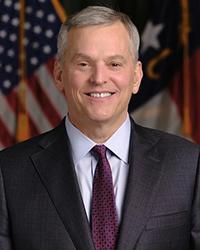 Josh Stein: North Carolina Governor Josh Stein’s Jewish faith has influenced his public service and his policy positions on antisemitism and Israel. Stein has cited his Jewish faith and family as a call to public service.
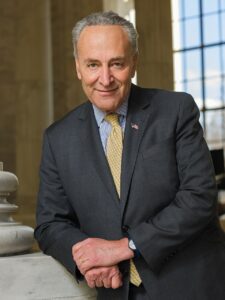 Chuck Schumer: As Senate Majority Leader, Schumer has championed anti-discrimination legislation, advocated for robust U.S.-Israel relations, and spoken out against antisemitism, grounding his stances in both personal heritage and universal ethics.
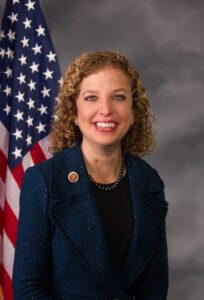 Debbie Wasserman Schultz: The Florida Congresswoman actively promotes Holocaust education, supports social safety nets, and works to ensure equal access to healthcare, channeling the Jewish tradition of compassion and care for the vulnerable.
These leaders exemplify how Democratic values and Jewish principles can intertwine, guiding policies that advance justice and human dignity. Their ongoing efforts set a powerful precedent for future generations, reinforcing a tradition of moral leadership in American politics.
Influence of Jewish Principles on Democratic Party Policies
Jewish values have long played a formative role in shaping the policies and priorities of the Democratic Party. Rooted in traditions of justice, compassion, and communal responsibility, these principles resonate deeply with the Democratic commitment to social equity and inclusive governance. The concept of tikkun olam, or “repairing the world,” underscores a moral imperative to address societal injustices and uplift marginalized communities—a philosophy mirrored in the Party’s advocacy for civil rights, economic opportunity, and healthcare access for all citizens.
At the heart of Democratic policies is a focus on safeguarding human dignity and promoting the welfare of the vulnerable. Jewish teachings that stress the importance of charity (tzedakah) and caring for the stranger have found expression in expanded social safety nets, support for immigrants and refugees, and robust anti-discrimination measures. These priorities are not only ideological cornerstones but also practical commitments, evidenced by legislative efforts to combat poverty, increase educational funding, and ensure equal protections under the law.
- Social Justice: Inspired by the prophetic tradition, the Democratic Party’s pursuit of justice aligns with Jewish calls for fairness and equity in public policy.
- Community Responsibility: The emphasis on collective responsibility in Jewish ethics informs the Party’s focus on public services and shared prosperity.
- Welcoming the Stranger: Democratic immigration reform echoes the Jewish value of hospitality and protection for newcomers.
In essence, the enduring influence of Jewish principles helps guide Democratic leaders as they frame policies that champion justice, empathy, and community—core values that continue to shape a progressive path forward.
The Ongoing Impact of Jewish Voices in the Democratic Party
Jewish voices have long played a pivotal role within the Democratic Party, shaping its policies, priorities, and moral compass. The ongoing impact of Jewish leaders and activists is evident in the party’s continued commitment to social justice, civil rights, and inclusive governance. Jewish values—rooted in principles such as tikkun olam (repairing the world), the pursuit of justice, and a deep respect for human dignity—have become intertwined with the Democratic ethos, inspiring leaders to champion causes that uplift marginalized communities and promote equality.
At every level of government, Jewish Democrats bring a unique perspective informed by centuries of resilience and a tradition of advocacy. Their influence can be seen in progressive initiatives supporting immigration reform, religious freedom, and anti-discrimination legislation. These priorities reflect not only a response to historical experiences of prejudice but also a proactive approach to building a more compassionate and equitable society.
- Policy Leadership: Jewish lawmakers often spearhead efforts in areas such as affordable healthcare, voting rights, and education, ensuring these issues remain at the forefront of the legislative agenda.
- Community Engagement: By fostering dialogue across diverse constituencies, Jewish Democrats help bridge cultural divides and promote mutual understanding.
- Advocacy for Pluralism: Their commitment to pluralism underscores the party’s broader goals of tolerance and inclusivity.
As the Democratic Party continues to evolve, the enduring presence and influence of Jewish voices serve as a guiding force, reinforcing foundational values and inspiring ongoing progress toward justice and equality.
If you want to learn more about how the North Carolina Democratic Party Jewish Caucus can influence Democratic politics in North Carolina, visit our Contact Us page.