
Understanding Antisemitism and Its Historical Roots
The growing challenge with antisemitism, at its core, refers to hostility, prejudice, or discrimination against Jewish people. This form of hatred has persisted throughout history, morphing with changing social, political, and economic climates. To truly grasp the current challenges facing North Carolina, it is essential to explore how antisemitism has evolved and why its impact remains deeply rooted in society.
The origins of antisemitism can be traced back to ancient times, when Jews were often viewed with suspicion due to their distinct religious beliefs and customs. In medieval Europe, this prejudice was institutionalized through discriminatory laws, forced segregation, and unfounded accusations such as blood libel. Over centuries, these stereotypes became embedded in cultural narratives, fueling violence and exclusion.
Modern antisemitism emerged in the nineteenth and twentieth centuries, intertwining with nationalist and racist ideologies. The most devastating manifestation occurred during the Holocaust, when Nazi Germany orchestrated the systematic extermination of six million Jews. In the aftermath, many hoped that the world had learned from these horrors. However, antisemitic tropes and conspiracy theories continued to resurface, adapting to new mediums and social anxieties.
Understanding this long and painful history is essential for recognizing the subtle and overt forms of antisemitism that persist today. It also underscores the urgency of addressing these issues, both nationally and within communities like those in North Carolina, as we strive for a more inclusive and respectful society.
Current Trends of Antisemitism in North Carolina
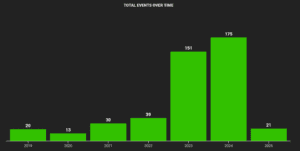
Source Anti Defamation League: 2019 – June 2025
Antisemitism in North Carolina has become a subject of increasing concern, reflecting a broader national rise in hate crimes and discriminatory incidents targeting Jewish individuals and communities. Recent data reveals a troubling uptick in antisemitic acts across the state, ranging from vandalism and graffiti to harassment and violent threats. This pattern mirrors the national landscape, where organizations such as the Anti-Defamation League have documented record-high levels of antisemitic incidents over the past several years.
The visibility of antisemitic rhetoric has also expanded, both online and in public forums. Social media platforms have amplified the reach of hate speech, allowing extremist ideologies to spread with unprecedented speed and scope. In North Carolina, several schools and universities have reported incidents involving antisemitic slurs and symbols, sparking concern among educators, parents, and students alike. Local synagogues and community centers have responded by stepping up security measures and fostering greater awareness around the issue.
These trends are not confined to urban centers. Smaller towns and rural areas in North Carolina have also reported episodes of antisemitic graffiti and intimidation, demonstrating that the challenge is statewide. The rise in antisemitic incidents has prompted local authorities, advocacy groups, and faith leaders to collaborate on strategies to counter hate, promote tolerance, and ensure that North Carolina remains a safe and welcoming place for its Jewish residents. As these efforts continue, monitoring and addressing antisemitism remains a top priority for communities across the state.
Factors Contributing to the Rise in Antisemitic Incidents
North Carolina, like many states across the nation, has witnessed an unsettling increase in antisemitic incidents over recent years. This surge is not the result of a single cause but rather the interplay of several complex and evolving factors. Understanding these elements is crucial for both recognizing the problem’s depth and formulating effective responses.
Social Media Amplification
In today’s digital age, social media platforms play a significant role in spreading hateful rhetoric. Algorithms designed to maximize engagement often give undue prominence to provocative and divisive content. As a result, antisemitic conspiracy theories, stereotypes, and misinformation circulate with alarming speed and reach, emboldening individuals who might otherwise remain silent.
Political Polarization and Extremism
The growing political divide in North Carolina has contributed to a climate where extremist ideologies can flourish. Heated debates around identity, immigration, and national policy sometimes spill over into scapegoating and targeting Jewish communities. Fringe groups, both online and offline, exploit these divisions to recruit followers and propagate hate.
Historical Prejudices and New Manifestations
Long-standing antisemitic tropes, rooted in historical prejudice, find new expression in contemporary society. Incidents ranging from vandalism of Jewish institutions to harassment and threats have become more visible, reflecting both old biases and new modes of expression.
This convergence of digital influence, political polarization, and enduring stereotypes has made combating antisemitism in North Carolina more challenging than ever, underscoring the urgent need for awareness and proactive intervention.
The Impact of Antisemitism on North Carolina Communities
Antisemitism has emerged as a pressing concern in North Carolina, casting a shadow over the state’s diverse and vibrant communities. What might begin as isolated incidents—graffiti defacing synagogues, hateful slurs in schools, or the spread of conspiracy theories online—often escalates, leaving Jewish residents feeling vulnerable and isolated. This atmosphere of intolerance threatens not only individual safety but also the fabric of community trust and cohesion.
Communities across North Carolina have reported a noticeable uptick in antisemitic acts, ranging from subtle microaggressions to overt displays of hate. For many Jewish families, these incidents evoke fear and anxiety, prompting difficult conversations about personal security and cultural identity. The psychological toll is profound; children may feel unsafe in schools, and families might reconsider participating in public religious or cultural events. Such impacts ripple outward, affecting neighbors, classmates, and coworkers, and undermining efforts to cultivate an inclusive environment for all.
Beyond the immediate harm to Jewish residents, antisemitism erodes the spirit of mutual respect and unity that defines North Carolina’s communities. When left unchecked, hate-fueled rhetoric and actions can embolden further prejudice, creating divisions that are hard to heal. In order to foster genuine belonging, it is essential that community leaders, educators, and citizens confront antisemitism head-on—recognizing its damaging effects and working collectively to promote tolerance, safety, and solidarity.
Strategies and Community Efforts to Combat Antisemitism
As antisemitism rises in North Carolina, communities across the state are mobilizing with a variety of targeted strategies to counteract hate and foster a culture of inclusion. At the forefront, advocacy organizations collaborate closely with local leaders, law enforcement, and educational institutions to develop comprehensive approaches that address both the symptoms and root causes of antisemitic incidents. These efforts are not only reactive—responding swiftly to acts of hate—but also proactive, aiming to prevent such incidents by nurturing awareness and understanding.
Education and Awareness Programs
One of the most effective tools in combating antisemitism is education. Schools and community centers now host workshops and seminars that illuminate the history and impact of antisemitism, helping participants recognize and challenge stereotypes. Holocaust education, in particular, plays a crucial role in fostering empathy and dispelling dangerous myths. These programs often partner with survivors and historians, making the lessons deeply personal and impactful.
Strengthening Community Partnerships
Communities are building strong alliances across faiths and cultures, reinforcing the idea that combating hate is a shared responsibility. Interfaith dialogues, joint service projects, and public rallies send a clear message of solidarity, demonstrating unity in the face of intolerance. Local governments and police departments are also investing in hate crime training to ensure swift responses and support for victims.
Through these multi-faceted efforts, North Carolina’s communities are working diligently to create safer, more welcoming environments, forging connections that stand resilient against antisemitism and all forms of bigotry.
If you want to learn more about how the North Carolina Democratic Party Jewish Caucus can fight antisemitism, contact us via our Contact Us page.